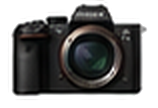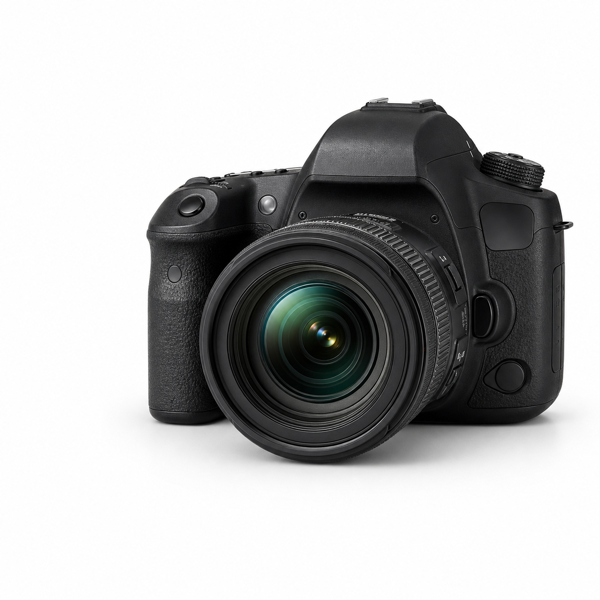
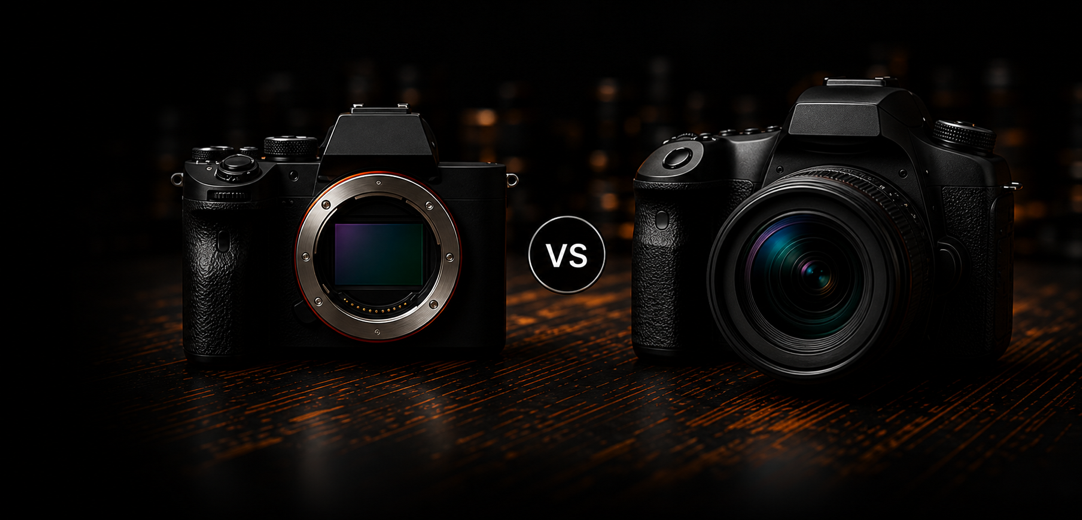
A mirrorless camera and a DSLR compared side by side in a dark studio

Buying guide

Mirrorless vs DSLR:
Which Is Right for You?

Both systems can deliver incredible images. The best choice depends on your style of photography, budget and what matters most to you.

12–15 min read Reference Guide

The short answer

Compare actual models and complete lens kits. Mirrorless uses an electronic viewing system; a DSLR offers an optical viewfinder. Features, size, battery use and prices depend on the equipment and shooting mode.

Reasons to compare mirrorless models:

  • Electronic exposure preview
  • Potentially compact body options
  • Model-specific subject detection
  • Video features that meet your needs
  • A suitable lens and support ecosystem

Reasons to compare DSLR models:

  • Optical-viewfinder battery efficiency
  • Used body and lens prices
  • Handling and build of the exact model
  • Compatible used lens options
  • Excellent value on used market
Mirrorless versus DSLR printable guide

Online buying guide

Bookmark this guide and use its checklist when comparing gear.

View buying checklist
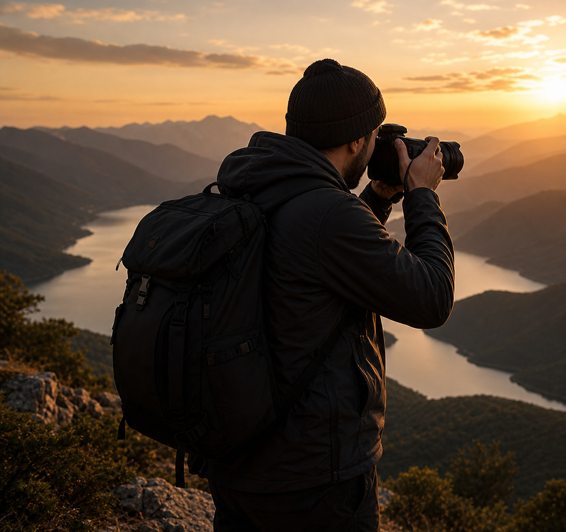
An outdoor photographer photographing mountains at sunset

Good news

Both DSLR and mirrorless cameras are capable of producing outstanding professional-quality images. The right choice depends on your priorities—not which system is “better”.

Which camera is right for you?

Start with your photography and your priorities. Find the card that sounds most like you.

I travel a lot

I want a light kit that’s easy to carry all day.

Consider
Mirrorless

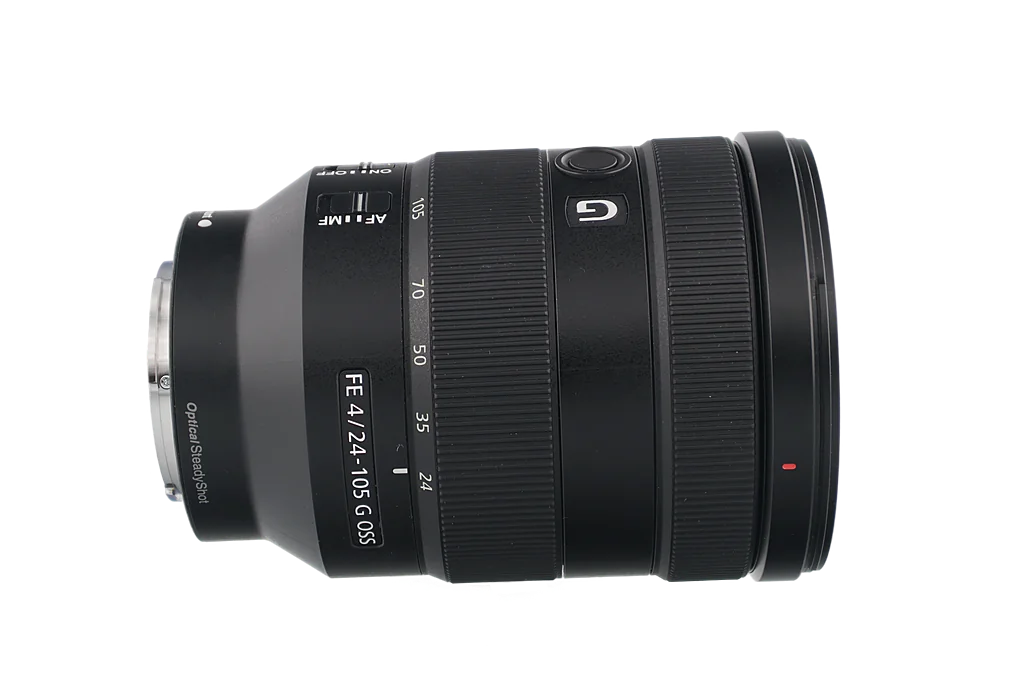
Compact mirrorless camera

I photograph
wildlife

I need long reach, fast AF and reliable battery life.

Consider
DSLR or Mirrorless*

Wildlife DSLR camera

I create video
content

Video quality, AF and stabilisation are important.

Consider
Mirrorless

Mirrorless video camera

I want the best
value

Budget matters. I want the most for my money.

Consider
DSLR

Affordable DSLR camera

I photograph
my family

I want something versatile, easy to use and reliable.

Consider
Either

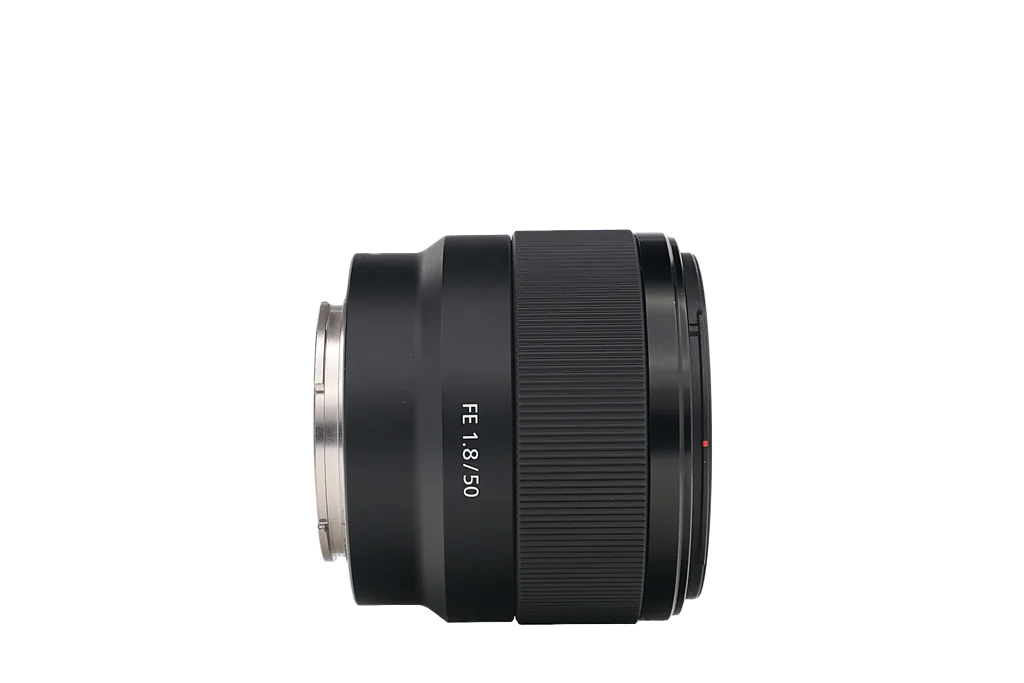
Two versatile family cameras

I shoot
landscapes

Image quality and dynamic range are key.

Consider
Either

Two landscape cameras

I shoot sports
or action

I need fast AF, high frame rates and great tracking.

Consider
Mirrorless

Fast sports mirrorless camera

These are starting points, not rules. Either system may suit wildlife, travel or action; compare the specific body, lens, battery and budget.

Myth vs Reality

MYTH

Mirrorless cameras have short battery life.

REALITY

Runtime varies with model, battery condition, temperature, video and display use. Compare manufacturer ratings under equivalent conditions and budget for a spare battery.

MYTH

DSLRs take better photos.

REALITY

Technique, lens, sensor and shooting conditions all matter. Neither camera type alone guarantees better images.

MYTH

DSLRs are outdated and not worth buying.

REALITY

Millions of DSLRs remain in use and continue to produce stunning images.

Things to consider

  • How important is size and weight?
  • Do you shoot a lot of video?
  • How long do you plan to keep your camera?
  • Do you already own lenses?
  • What’s your total budget, including lenses?
  • Which system has the lenses you need?

TIP: There’s no wrong choice—just the right choice for your needs right now.

Is DSLR dead?

No. While manufacturers are focusing development on mirrorless, DSLRs continue to be excellent tools.

  • Huge selection of quality used gear
  • Proven reliability
    Build and repair support vary by model; inspect the actual body and check parts availability.
  • Right tool for the job
    For many photographers, a DSLR is still the perfect choice.
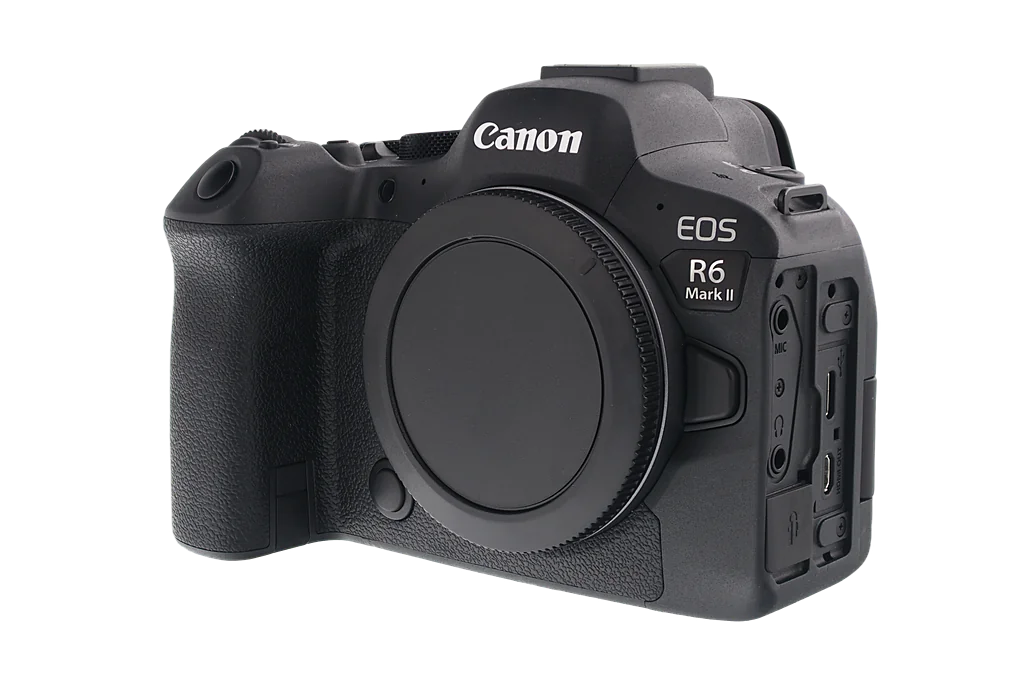
A professional DSLR camera

Illustrative buyer scenarios

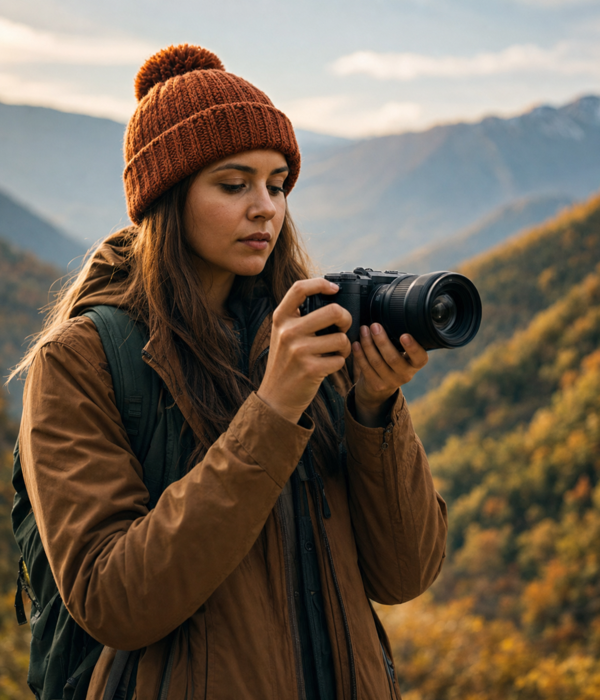
Emily, a travel creator using a mirrorless camera

Scenario: travel and video

Compare a compact mirrorless kit

A hypothetical traveller wants a portable kit and reliable video autofocus. Compare total body-and-lens weight, supported recording modes and battery needs.

  • Check complete kit size
  • Try tracking in your recording mode
  • Check phone and software support
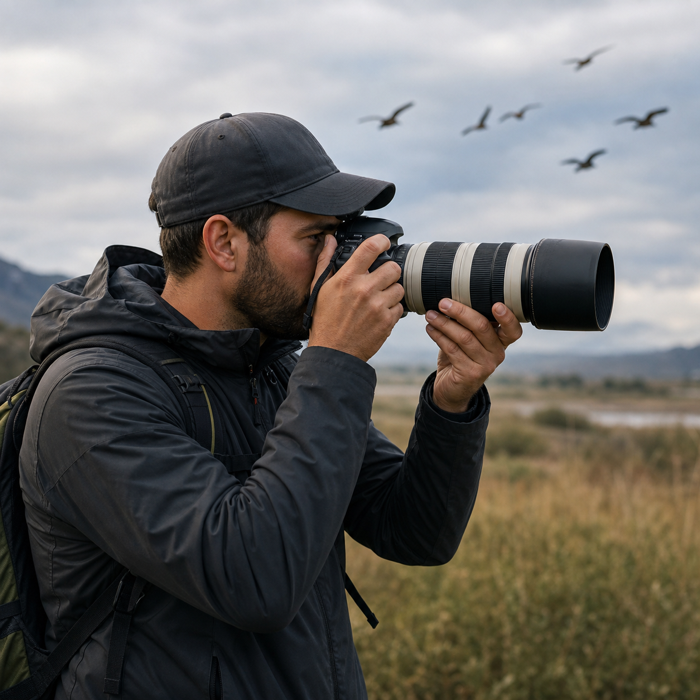
David, a wildlife photographer using a DSLR and long lens

Scenario: wildlife photography

Compare compatible telephoto kits

A hypothetical bird photographer needs reach and subject tracking. Compare the lens, autofocus behaviour, viewfinder and complete kit price on both systems.

  • Compare equivalent battery ratings
  • Confirm exact lens compatibility
  • Compare actual current prices

How we help you decide

On each stock listing, check:

  • Detailed specifications and key features
  • Digital Inspection Report with real images
  • Honest grading and condition notes
  • Shutter count (where applicable)
  • Buying support if you need guidance

Why buy from ShutterXchange?

Professionally inspected. Honest grading. Total transparency.

Professionally inspected

Read the recorded checks and condition notes for the exact item.

Inspection process

Honest conservative grading

Clear, honest grading so you know what you’re getting.

Grading standards

72-image viewer

See every angle in stunning detail before you buy.

See an example

Buying support

We’re here to help before and after you buy.

Support Centre

Find the right camera for
the way you shoot.

Explore our expertly inspected mirrorless and DSLR cameras and lenses with total confidence.

Browse All Cameras

Compare two actual kits

  1. Write down the exact body, lens and any adapter for each option. Check the manufacturer’s compatibility guidance for autofocus, stabilisation, aperture control and any crop-mode restrictions.
  2. Compare complete kit weight, not body weight alone. Try the viewfinder, grip and controls with the lens you plan to use. Optical and electronic viewfinders provide different viewing experiences.
  3. For video or action, check the recording format, autofocus mode, frame rate, storage requirements and manufacturer limitations you actually need. The words mirrorless and DSLR do not specify those capabilities.
  4. Compare manufacturer battery ratings under equivalent conditions and inspect the supplied battery. Allow for your display, video and temperature conditions; a full day is not a standardised runtime.

Sources and scope

Manufacturer references apply to the models or procedures they describe. Our checklists are practical buying guidance, not a certification of an individual item. Shop links are commercial links to ShutterXchange. Policies and support can change; check the linked source for the latest terms.

Found an error or need a model-specific answer? Contact support with the guide title or stock ID.